by Rooterman Sacramento | Sep 27, 2024 | Uncategorized
Clogged sewer lines can be a big problem for any homeowner. Some of the problems you may encounter include clogged toilets, slow-flowing sinks, and bad odor. Knowing the causes of these clogs will help you avoid them and save money on repairs. The following are some of the major causes of sewer line blockage that you need to know.
Common Sources of Sewer Line Clogs
Pipe Damage
Cracks in pipes are one of the primary causes of sewer line blockage. Some common issues that may hinder the flow of wastewater include cracks, fractures, or even collapsed sections. These are a result of normal pipe usage and wear, movement of the ground beneath the structure, or poor workmanship during pipe installation.
If a pipe bursts, it will allow sewage to flow backward into your home. This is not something that anyone can do; it needs a professional plumber to do it. Some parts of the pipe may be in bad condition and may need either repair or replacement for the flow to be proper.
Tree Root Infiltration
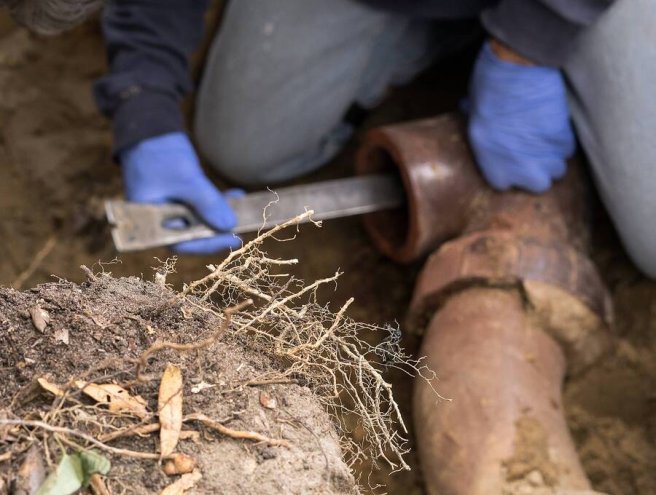
Tree roots are one of the most frequent causes of sewer line blockage, especially in older houses. Sewer lines contain moisture and nutrients, which roots find irresistible and thus grow towards them. Roots can enter through small crevices of the pipes and develop inside, thereby causing blockages and even pipe damage.
If your sewer line is adjacent to trees, you should have it checked from time to time. Most root issues can be fixed by clearing the blockage with certain tools, such as root cutters or hydro-jetting. In extreme cases, you may need to have the particular part of the pipe that has been affected replaced.
Mineral Deposits
If your home has hard water, minerals will gradually accumulate inside your sewer pipes. Such deposits, which are mainly calcium and magnesium, can reduce the size of the pipe channel through which the wastewater is to flow.
This problem is rather frequent in regions where water is hard. This can be done by fitting a water softener in the house to prevent the formation of mineral deposits. Nevertheless, if the deposits are rather pronounced, you will have to replace the pipes that were affected to get the water to flow normally.
Misconception About Garbage Disposal
The other thing you should not do is to dispose of your trash in your garbage disposal unit because certain items like fibrous foods and eggshells The materials used in these products do not decompose very fast and tend to accumulate to form blockages. You should also know how to use your garbage disposal appropriately.
Do not let any solid materials, fibrous products, or grease be put into the disposal. Explain to the members of your household what can and cannot be flushed down the drain to avoid blockage of the disposal.
Throwing Away Inappropriate Items into the Toilet
Toilets are supposed to be used to dispose of human waste, toilet paper, and wastewater only. Water is the only thing that should be flushed, and anything else may cause blockage. Tampons, wet wipes, toilet paper, medicine, contraception, and dental floss should not be flushed.
These items cannot be dissolved in water, and if they get into your sewer line, you can experience a major blockage. To avoid these problems, make sure all the members of your house understand what should be flushed down the toilet and what should not.
Grease, Oil, and Fat Disposal: Pouring Them Down the Drain
Many people dispose of used oil, grease, and fats in the kitchen sink and drain without knowing the implications. These substances can build up on the walls of the pipes and then harden into a tough clog.
When the grease, oil, and fats cool down, they can obstruct the shape of a thick layer inside the pipe that reduces the flow of water. This waste can be discarded by allowing it to cool and then harden before placing it in a container with a lid and throwing it away.
What to Do If Your Sewer Line Is Clogged
If you have any of these symptoms, it is recommended that you hire a professional plumber to come and inspect your sewer line. Rooter Man Plumbing can assist with an extensive check and quality sewer repair to ensure that the system is in good shape.
Sometimes, our team uses video inspection cameras in an attempt to identify the location of the clog and the best method for its removal. Don’t let it worsen or become a more complicated issue—give us a call for quality and timely solutions.
by Rooterman Sacramento | Sep 27, 2024 | Uncategorized
You might have heard of hydro jetting if you have slow drains or clogged sewer lines. But is it really necessary? Now that we know what hydrojetting is, how it is done, and when it could be necessary for your plumbing issues, let’s explore further.
What Is Hydro-Jetting?
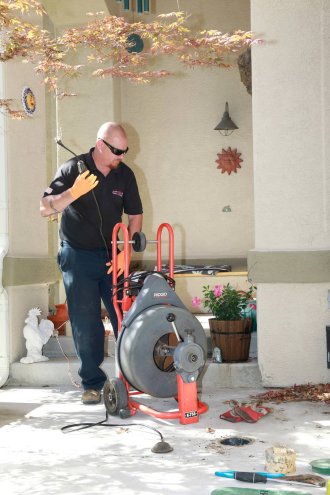
Hydrojetting is a method of cleaning out the pipes that have been blocked or clogged. This process entails the use of water to flush the debris within the pipes with a high pressure of up to 4000 psi. This could be things such as fats, oils and grease, minerals, tree roots, and other debris that may accumulate over time. Hydro-jetting not only clears the clogs but also cleans the entire pipe, and it comes with few outcomes from the original state.
How Does Hydro-Jetting Work?
Hydrojetting might seem like a simple process, but it is best to have it done by a professional to prevent pipe damage. Here’s how it works:
Video Inspection
To begin with, the plumber will conduct a video inspection to determine the exact location of the blockage and its cause. This assists in identifying the right amount of pressure to apply when conducting the job.
Inserting the Nozzle
A special nozzle is connected to a hose, which is then placed into the pipe. This nozzle has several holes, which allow water to spray in all directions (360°) to clean the inner surface of the pipe.
High-Pressure Water
The hydro-jetting machine then forces high-pressure water through the hose and out of the nozzle. This powerful stream of water cuts through the blockage and swashes it away down the pipe.
Cleaning the Pipes
It doesn’t just force the clog out of the pipe but also flushes the pipe’s walls, which may contain debris that could lead to the formation of more clogs.
A qualified plumber must do it. If not done well, it can harm your pipes, and you will have to spend money to have them fixed.
When Is Hydro-Jetting Needed?
Frequent Backups
Hydro jetting is especially useful when drains are slow or there are frequent blockages that cannot be cleared by other means.
Bad Odors
Bad smells coming from your drains could indicate a blockage within the pipes. Hydro-jetting can solve this issue by removing the substances that cause the smell through the drain.
Recurrent Clogs
If you are very conscious of what you flush down the drain and still get clogs, then there is a big problem. Hydro-jetting can solve this problem by removing the root cause.
Tree Roots
Tree roots can break into older sewer lines and block the system. Hydro jetting is one of the most efficient methods of clearing these roots and getting sewer lines back to normal.
Is Hydro-Jetting Worth It?
Hydro-jetting is one of the most efficient and thorough methods of cleaning your plumbing system, yet not every problem requires it. Minor blockages can be dealt with more subduedly, as suggested by the plumber. But if the blockage is severe or if the problem persists, hydro-jetting can be the most effective solution. It not only clears the blockage but also prevents future problems by cleaning the pipes to the best of its ability.
Need Professional Help?
If you’re still in doubt whether hydro-jetting is the best solution for your plumbing issue, you should contact a professional plumbing service. Hydro-jetting and clogged drain repair are some of the services that you will receive from Rooter Man Plumbing.
We first use video drain inspection to determine the cause of the problem. Then, we use the best technique to solve your drain issues and ensure that your drains are free from blockages. Call us today to arrange an appointment to find out if hydrojetting is the best solution for you.
by Rooterman Sacramento | Sep 27, 2024 | Uncategorized
Water leakage from the toilet is one of the most common problems in many homes today. Some may be small and can be repaired with a simple patch, while others are big and, if not attended to, will lead to a lot of damage. Some of the issues that could happen in a home include a toilet flange leaking.
This type of leak is unnoticeable, and if not well taken care of, it can lead to great loss to the building. In this article, you will come to understand what a toilet flange is, the signs that show it is leaking, the reasons why it may be leaking, and how to prevent it from leaking.
What is a Toilet Flange?
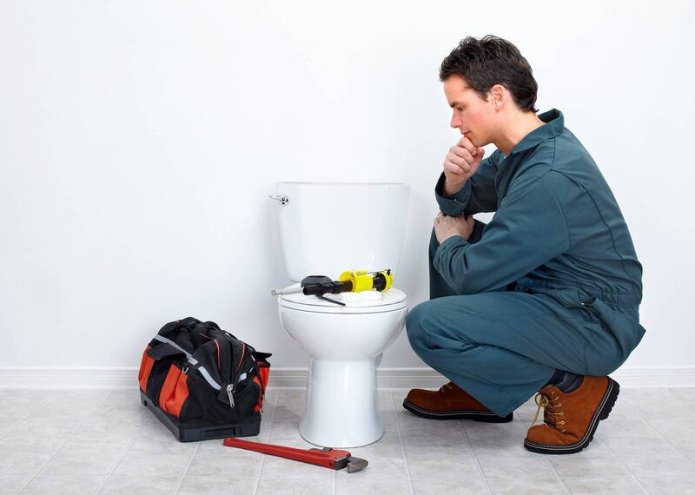
A toilet flange, sometimes called a closet flange, is an important component of a bathroom plumbing system. This circular component, often produced from PVC, cast iron, or stainless steel, is fixed between the toilet and the floor and the drainpipe. The flange holds the toilet in place and ensures that no water leaks from the space between the toilet and the drainpipe.
Signs of a Toilet Flange Leak
It is essential to detect the leak on a toilet flange before it becomes worse since it can cause damage that will require expensive replacements. Here are some signs that you may leak:
Bad Odor
If your bathroom has a constant smell, it may be due to a toilet flange leak. Sewer gases are leaking through the defective seal.
Wet or Damaged Flooring
If water accumulates around the base of the toilet or if visible damage is on the floor, it could be due to a flange leak. Water will seep through the floor and make it soft or change color.
Unstable Toilet
Another sign of a flange problem is that the toilet may wobble or be unstable; that is, it seems to be not fixed tightly to the floor. This is so if the flange is damaged or if the bolts that hold the toilet onto the flange are not tightly fastened.
Water Stains
If you see water stains on the ceiling or wall below your bathroom, then you should be sure that water is dripping from the toilet. This may be occasioned by a flange leak, especially if the bathroom is on one of the upper floors of the house.
Causes of Toilet Flange Leaks
There are several reasons why a toilet flange might start leaking:
Worn-Out Wax Ring
The wax ring is a large ring that must be placed between the toilet’s base and the flange. Sometimes, it may fail, become weak, or become displaced, allowing water to pass through it.
Loose or Damaged Bolts
The bolts that fasten the toilet to the flange at the base can become unscrewed or even broken. This will lead to the toilet’s instability, crack the seal, and cause leakage.
Cracked or Broken Flange
If the flange itself is damaged, such as cracked or broken, it will not be able to maintain a seal. This may occur as a result of the above factors: extreme force, improper installation, or over-the-year use.
Improper Installation
If the flange was not installed correctly, it could leak. Common mistakes include using improper materials, improperly leveling the flange, or failing to set the toilet properly.
Toilet Flange Leaks Solutions
Toilet flange leaks should be fixed immediately because failure to do so may lead to more damage. Here are some common fixes:
Replace the Wax Ring
If the wax ring has become a problem, the solution is simple—replacement. This includes unbolting and taking out the toilet, installing another one, and putting it back.
Tighten or Replace Bolts
Worn-out or missing nuts and bolts can be replaced to ensure that the toilet is firmly in place and doesn’t leak.
Repairing or Replacing
If the flange is damaged, it might have to fix or replace it. This include taking the toilet out and putting it back in or even repairing the floor.
Conclusion
Leaking toilet flanges are not something that should just be allowed to continue. They may result in the formation of mold and mildew, a bad smell, and even health complications. If you see any signs of a leak, the best thing is to call a plumber to come fix it.
At Rooter Man Plumbing, we offer a range of plumbing services, including toilet repair and replacement. We have the necessary expertise to identify the cause of the problem and repair it so that your bathroom does not leak and become dangerous. With us, you’ll never have to worry about a minor leak turning into a major disaster—call us today.
by Rooterman Sacramento | Sep 27, 2024 | Uncategorized
Clogs in the drain system are very common to most homeowners at one time or another. Clogged sinks, clogged toilets, or unpleasant smells from plumbing are all frustrating problems that can cause a lot of inconvenience. It’s surprising to find how many people attempt to repair these issues by utilizing plungers or chemical agents. Still, such procedures have somewhat limited effectiveness and can even aggravate the given situation. That’s where hydro jetting comes in – the most effective way of drain cleaning that provides lasting solutions.
What Is Hydro Jetting?
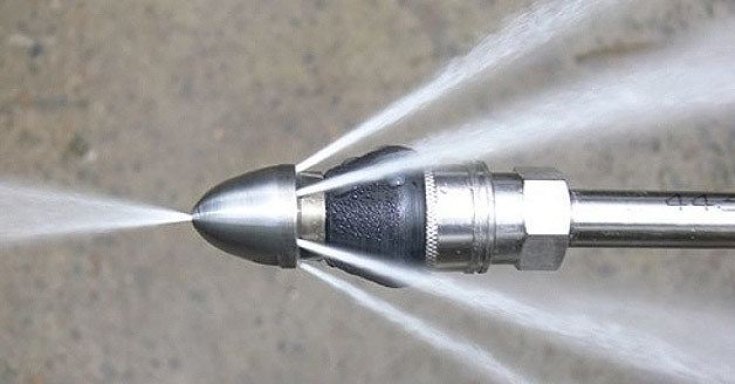
Hydro jetting is a method where the inside of the drain pipe is cleaned, and clogged material is removed by means of high-pressure water. It’s like using a pressure washer for your plumbing system – it gets rid of all the debris and buildup. It involves the use of a hose that is inserted into your pipes, and then water is forced through at very high pressure to dislodge and remove any blockage and dirt buildup. Hydro jetting doesn’t simply clear the obstruction but will flush out the entire pipe, thus restoring the pipe to its original state.
Why Choose Hydro Jetting?
Thorough Cleaning
Unlike other methods that might only clear a portion of the blockage, hydro jetting offers a comprehensive solution. It goes deep into your pipes and navigates through every corner to make sure they are clean. This thorough cleaning means that not only is the clog removed, but any buildup on the walls of the pipes—such as grease, soap scum, or mineral deposits—is also washed away.
Eco-Friendly
Hydro jetting is environmentally friendly, and that is one of the biggest benefits of this method. It does not contain any chemicals that may harm the pipes or the environment while in use. This makes it an excellent product to use in homes with old pipes because the cleaner is not as strong as some other kinds of cleaners.
Versatile and Powerful
Hydro jetting is ideal for unblocking a number of clogs ranging from food particles and grease to roots. High-pressure water can dissolve almost any kind of obstruction, which is why it is effective in solving many plumbing problems. It comes in handy for really clogged-up drains that other techniques cannot handle easily.
What to Expect During the Hydro Jetting Process
Hydro jetting is a process for clearing clogs in the drainage system. Here is what you should expect.
During the hydro jetting service, the plumber will assess your plumbing system to know the area and cause of the blockage. They can use a video camera to see what is going on inside the pipes. The next thing they will do is to feed the hydro jetting hose into the affected pipe after the assessment. The water is then released with pressure, which breaks the blockage and cleans the walls of the pipe. The time it takes for the process is affected by the type of clog and the size of the plumbing system, which is usually short and effective.
Long-Term Benefits
While hydro jetting may cost more initially compared to other methods, it offers long-term benefits that make it worth the investment. Cleaner pipes mean fewer clogs, which translates to fewer calls to the plumber and less hassle for you. It also helps extend the life of your plumbing system by preventing corrosion and damage caused by chemical cleaners or recurring blockages.
Get Professional Help
If you are facing drain problems, you should consider hydro jetting. The Rooter Man Plumbing plumbers are experienced in using hydro jetting to clean your pipes and make them as good as new. If you have a clog that just won’t budge or simply want to keep your plumbing system in top shape, we can assist you. Call us today to make an appointment to see how hydro jetting can help you. Your pipes and your mind will have one less thing to worry about.
by Rooterman Sacramento | Sep 27, 2024 | Uncategorized
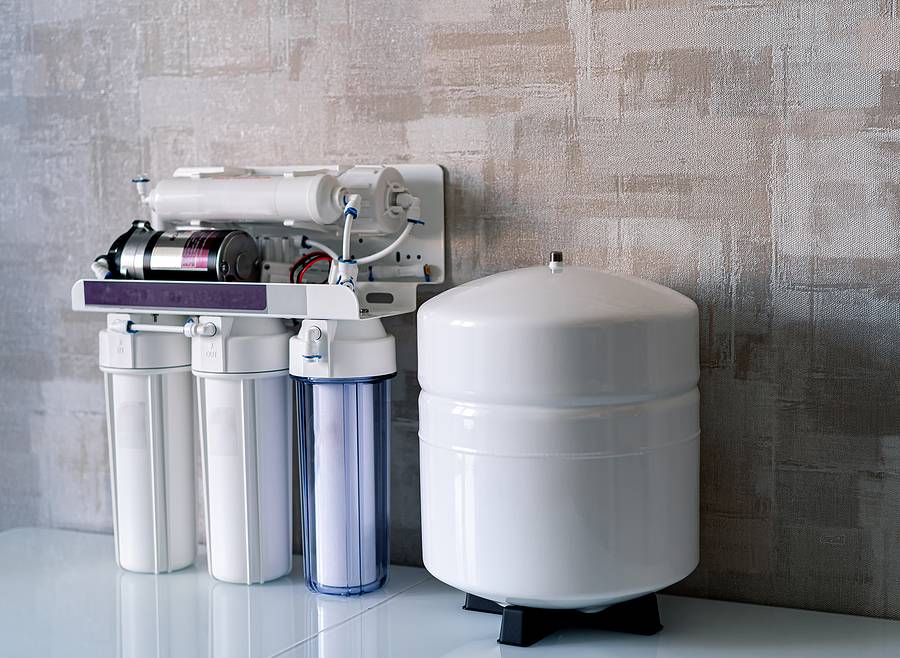
Many people who want to purchase a whole-house water filtration system may find it somewhat confusing, but it doesn’t have to be. Here’s what you need to know so that you don’t get lost in all the options and features right away. The following is a guide to help you determine the right system for your home.
Understand Your Water Quality
Before you buy a filtration system, you need to know what is in the water that you are going to filter. You can get a copy of a water quality report from your water supplier or use a home test kit. Search for chlorine, lead, bacteria, iron, and sediment, which are the most common contaminants. Knowing your water quality means you can make the right choices when selecting a system that addresses the particular contaminants in your water.
Determine Your Filtration Needs
They are not the same as different water filtration systems that exist in the current market. Some are specifically meant to filter out certain substances, while others are meant to filter out a number of substances. If your water has high chlorine content, then you will need a system that has activated carbon filters. Concerns such as hard water may call for the use of a water softener. If bacteria and viruses are a problem, choose a system with UV filters or reverse osmosis. Here, we will help you find a system that best suits your problem concerning water.
Consider the Flow Rate
The flow rate is the rate at which the system can filter out water in a minute. Different households will require a different flow rate. A low flow rate can prove inadequate for all your fixtures, particularly during periods of high usage. Look at your home’s water consumption and determine the right flow rate for your system. For instance, a family of four may only require 10- 15 gallons of water per minute (GPM).
Assess the System’s Capacity
Throughput means the volume of water that a filter can filter before it becomes useless and is disposed of. Larger-capacity systems need the filter change less often, which makes them more convenient and economical to maintain. The most appropriate filter capacity for most homes is about 100,000 to 150,000 gallons. This is roughly equivalent to one year of usage, and after this time, it is recommended that the filter be changed.
Check for Certification
Ensure that the system you select is certified by a standard organization like NSF International. Certification affirms that the product has undergone an examination and has been verified to have certain levels of contaminants removed. A certified system assures you that the filter will do what it is supposed to do and eliminate the contaminants listed for your water.
Look At the Issue of Installation and Maintenance
Some are quite simple to install, and you might install them on your own, while others may need the services of a professional. Also, one has to take into consideration the costs of maintenance. Those systems that incorporate several filters are likely to require frequent replacement, which can, in the long run, prove costly and tedious. Select a system that you are capable of installing and/or maintaining or are willing to seek the services of a professional.
The Entire Cost of the System and the Filters
A whole-house water filtration system could cost from a couple of hundred dollars to a couple of thousands of dollars. But that is not the end of it; do not only look at the price tag. Consider the cost of filter replacement and the general maintenance of the system. An inexpensive system may have costly filters that require frequent replacement, while a costly system may have affordable filters that do not require frequent replacement.
Customer Reviews and Warranty
Prior to buying the system, you should read the reviews of customers who have already used it. Search terms that could be used include reviews on ease of installation, efficiency in the removal of contaminants, and durability. Also, it is recommended to go for a system backed by a good warranty for at least one year. This affords a measure of protection against defects and means that you will have a place to turn to in case of a problem.
Conclusion
To select the right whole-house water filtration system, you need to know your water quality, your requirements, and factors like flow rate, capacity, and cost. When you install the right system, you can have clean and safe water in every part of your house. It is recommended that you take time, do good research, and find a system that is most effective for your home.