by Rooterman Sacramento | Sep 27, 2024 | Uncategorized
Hydration is a necessity that we all require and consume on a daily basis. We use it for drinking, cooking, cleaning, and many other purposes. However, water that gets into our homes is not always the best. This can harm our health, our pipes, and even the life of our appliances.
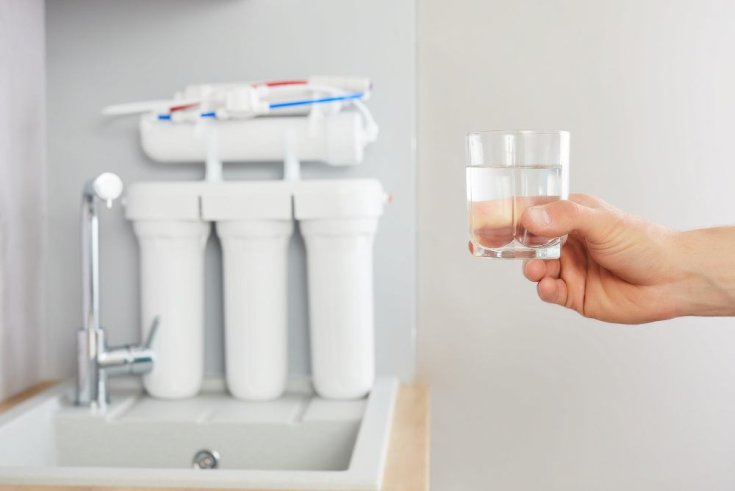
Even though city water systems work hard to ensure that the water delivered to your home is safe to use, having a water filtration system in your home is always helpful. Below are the three reasons why you should consider having a water filtration system in your home.
- Safer and Healthier Water for Your Family
Water is a common commodity that is used every day by many people. It is used in drinking, preparing food, and even taking a shower. Unfortunately, even the best-equipped municipal water treatment plants can’t filter out all the impurities. Water is not always as clean as you want it to be; it can be treated with chlorine, lead, pesticides, and bacteria before it gets to your tap. A home water filtration system ensures that all these impurities do not reach your home in the first place.
For instance, chlorine is used to purify water, but it gives water a bad taste and smell. Some authors have even pointed out that chlorine’s use may be hazardous to one’s health, especially if it is used for a long time. A water filtration system fitted with activated carbon filters will help you eliminate chlorine from your water, providing you with cleaner and better-tasting water.
Lead is another contaminant that can contaminate water through old plumbing systems. This dangerous disease affects children and pregnant women most of all. You should be able to protect your family from this hazardous substance by using water filtration system with a certified lead reduction filter.
- Help Keep Your Plumbing and Appliances Safe
Water that contains minerals can be very problematic for your plumbing and appliances. It is known as hard water. Some minerals, such as calcium and magnesium, may accumulate and form scale on the interior walls of pipes and appliances such as dishwashers and washing machines. This buildup can block water flow, decrease the performance of your appliances, and even shorten their lifespan.
A water filter, particularly one that removes hardness from the water, will help to stop this mineral buildup. These systems employ what is known as ion exchange to eliminate the minerals responsible for the hardness of your water pipes and other fixtures. Besides making the water entering your home more desirable, a water filtration system can also help you save on the cost of repairs and replacements of pipes and other appliances.
- Improvement in Home Duties
The quality of the water used can also affect other activities such as washing clothes, dishwashing, and bathing. However, the presence of impurities, sediments, and contaminants makes these tasks more challenging and less efficient. For instance, clothes washed in hard water will be stiff and itchy, and dishes may have spots even if washed.
Having a water filtration system can really help with these routine tasks. This means that the water you use is safe and does not contain dirt; therefore, your clothes will be softer, your dishes will be cleaner, and your appliances will operate at their optimum. Water is one of the most important resources that makes everything in your home work efficiently and comfortably.
For Any Water Filtration Services, You Should Call Rooter Man Plumbing
Are you in need of a water filtration system for your house or any plumbing service at your business? Rooter Man Plumbing is your solution. Our team of experienced plumbers is willing and able to respond to any of your questions and determine the best course of action for your home.
Whether you need a water filtration system for your home, office, school, or any other facility, it is not a luxury but a necessity for the good health of the people using the facility. That is why you should call Rooter Man Plumbing today and find out how we can assist you in getting rid of impure water in your home.
by Rooterman Sacramento | Sep 27, 2024 | Uncategorized
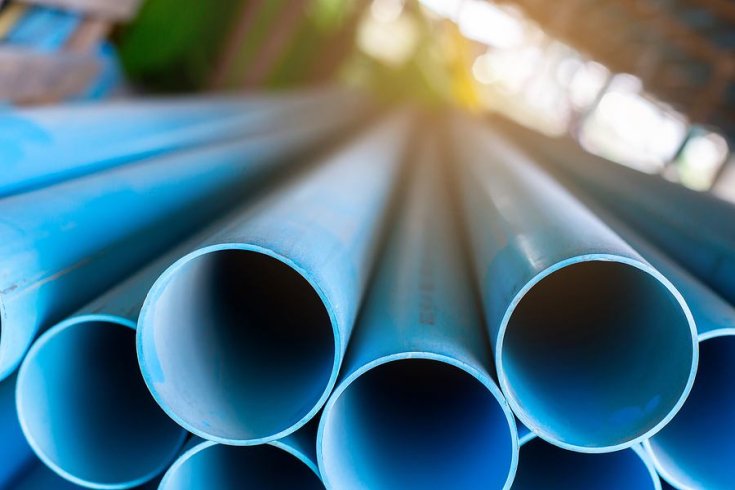
PVC pipes are used in today’s most modern systems and have greatly transformed the plumbing industry. Because of their ability to flex and their strength, they are employed in a variety of systems, domestic water supply and distribution, and commercial and industrial applications. However, what makes PVC pipes so special? What benefits should one expect from using PVC pipes?
What Are PVC Pipes?
Polyvinyl chloride, also known as PVC, is a synthetic polymer that belongs to the plastics class. These pipes are made of this material by extrusion to give a light yet solid product. They are distinguished by the fact that the inner surface is not sticky to the fluid and allows it to flow without obstruction. This makes the PVC pipes suitable for fluid and gas transportation systems as well as for the transportation of solids in the form of suspended particles.
Common Uses of PVC Pipes
PVC pipes are a common feature in most plumbing systems. They convey water for drinking, sewage, and chemicals. They do not rust, so they can be used in many sectors, such as water supply systems and power cables. This is unlike metal pipes, where one has to be very careful about the substances to be passed through them lest they start to rust or corrode.
PVC pipes are also used in the construction of electrical wiring and the manufacturing of different goods. They are versatile enough to be applied in many other sectors.
Benefits of PVC Pipes
- Durability and Longevity
It must also be noted that PVC pipes are also long-lasting. They do not rust and are not affected by chemicals, light, or friction, making them ideal for both above-ground and below-ground applications.
- Cost-Effectiveness
PVC pipes are cheaper than the copper or cast-iron pipes usually used to construct plumbing systems. They are also very light, which is a good thing because this implies that the shipping cost will be low. PVC pipes are quite simple to install, and therefore, the cost of the labor will also be cheap. This makes them cheaper to use both at home and in business.
- Environmental Impact
PVC pipes are actually quite safe for the environment. The manufacturing process consumes less energy than when using conventional materials. Also, due to their low weight, they cut on the carbon footprint that comes with transportation. Last but not least, PVC is recyclable and hence aids in the concept of green building.
- Ease of Installation
Out of the benefits of PVC pipes, installation is one of the most critical aspects that plumbers look for. They can be easily handled and trimmed to size with very few tools. This not only reduces the labor cost but also enables quicker project delivery, thus making them recommended for new installation and repair works.
A Brief History of PVC Pipes
PVC was first invented in 1872 by German chemist Eugen Baumann. Nevertheless, industrial production of PVC only started in the 1930s. In the middle of the twentieth century, the techniques of polymerization became more advanced, and the material became stronger and more flexible. This created a market for PVC pipes, which are used in plumbing and construction.
Why PVC Pipes Matter
In the plumbing industry, the effects of PVC pipes cannot be underestimated. They have also become a modern substitute for other conventional materials, such as metal and clay, which are more efficient and affordable. These qualities have made them an important part of the modern world’s infrastructure.
We know that it’s crucial to use only the best materials for each job. We are here to help if you need to repipe your home or business. Whether you need a simple repair or a complete overhaul of your plumbing system, PVC pipes are worth considering.
PVC pipes are not only a plumbing material but also a symbol of technological advancement and innovation. They are not limited to the level of efficiency; they also increase cost efficiency, environmental concerns, and usability. If there is a problem with the plumbing system, you will be aware of who to contact and who will provide quality services.
by Rooterman Sacramento | Sep 27, 2024 | Uncategorized
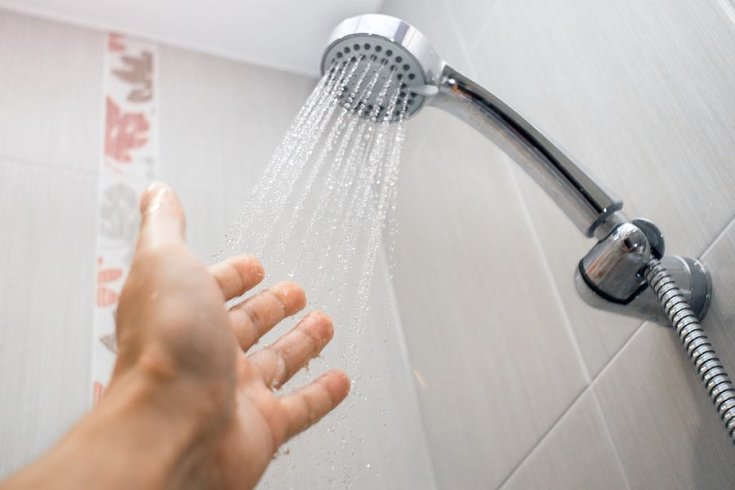
We are all aware that clean water is required for drinking and cooking. But what about the water that we use for bathing or showering? Most people do not know that the water from our taps contains substances that are dangerous not only to our health, skin, and hair but also to the pipes and fixtures in our homes. In this article, we will explain why it is a good idea to use filtered water in the shower.
Better for Your Health
The water from your tap may seem safe to drink, but it may contain chlorine and chloramine. Some of these chemicals are used to eliminate bacteria and other microorganisms to make the water safe for consumption. However, when you shower, these chemicals are absorbed into your skin.
This can cause certain skin issues such as dryness, itchiness, and rashes. Those with sensitive skin or skin conditions such as eczema are likely to experience even worse side effects. Drinking tap water can increase these risks as it contains most of these chemicals; however, using filtered water can lower the risks.
Healthier Skin and Hair
Tap water is often full of minerals such as calcium and magnesium, which make water ‘hard.’ Hard water causes these minerals to stick to the skin and hair when you take a shower. This results in the skin becoming very dry while the hair becomes brittle and will look dull.
This may result in dull skin and flakes, as well as unmanageable and brittle hair. Using filtered water to shower washes away these minerals and keeps your skin and hair in great condition. You will also find that your hair is less tangled and your skin is much softer.
Better Shower Experience
Have you ever showered, and your skin feels so dry that you want to scratch it? This is common because the water supply in the area is hard water. Having filtered water in the shower can make you feel much more comfortable. Soft water is better for soap and shampoo; it lathers better, and you will feel cleaner. It is, therefore, true that after every shower, you will feel your skin and hair be very soft. Sometimes, even a slight alteration can bring about a lot of difference in the way you feel each day.
Protect Your Plumbing System
You may not realize it, but hard water is bad for your skin and hair, and your house. It contains minerals that may deposit in your pipes and lead to the formation of scales and clogs. This buildup can decrease water flow and pressure, which means that your showers will not be as enjoyable as they used to be.
It can also reduce the lifespan of some appliances, including water heaters and dishwashers. Filtering the water, you use can avoid this, thereby ensuring that your plumbing system is in good shape for a longer duration.
Environmentally Friendly
Using filtered water is not only healthy for you but also for the environment. Hard water requires more soaps, shampoos, detergents, and other chemicals, which then add more chemicals to the water to be treated and discharged.
You should also avoid using such products if you are using filtered water. This implies that the quantity of chemicals that are released to the environment is low, and water usage is also minimal. It’s a simple shift that can make a large difference to the world we live in.
Hire a Professional Plumber
You may want to install a water filter for your shower or your entire house, but it’s vital to do it correctly. A professional plumber can advise you on the best system and ensure that it is well-installed.
Water filters are installed by the professional plumbers at Rooter Man Plumbing, who will ensure that everything is correctly installed. We are willing to assist you at any time with any plumbing problems, whether they are minor fixes or major installations.
What You Are Waiting For? Call Rooter Man Plumbing Today
If you want to shower with filtered water, don’t hesitate. Contact Rooter Man Plumbing today and let us help you. You can call our team at any time of the day to get answers to your questions, set a time for a visit, or request a plumber. We are here to ensure that you can have a better shower with cleaner water. Try using filtered water, and you will notice how it can benefit your health, your home, and the environment.
by Rooterman Sacramento | Sep 27, 2024 | Uncategorized
When you buy a new appliance, such as a dishwasher, washing machine, or water heater, it seems that you only need to install it and use it. But that is not always the case. The efficiency of these new appliances depends much on the state of your home’s plumbing system. We will discuss how new appliances are connected to old plumbing and why both should be considered when remodeling.
New Appliances and Old Plumbing
Replacing old appliances with new energy-efficient models is a great way to save money on energy and make your home more comfortable. However, these modern gadgets may put some pressure on previous plumbing systems, thus causing various complications.
Increased Water Pressure and Flow Demands
Most appliances today need stable water flow and pressure to run smoothly. Some of the earlier plumbing systems may not be well suited to meet these needs. If your pipes are too small in diameter or have some rust, then the water flow is not enough for new appliances, and they will not work as expected.
Compatibility Issues
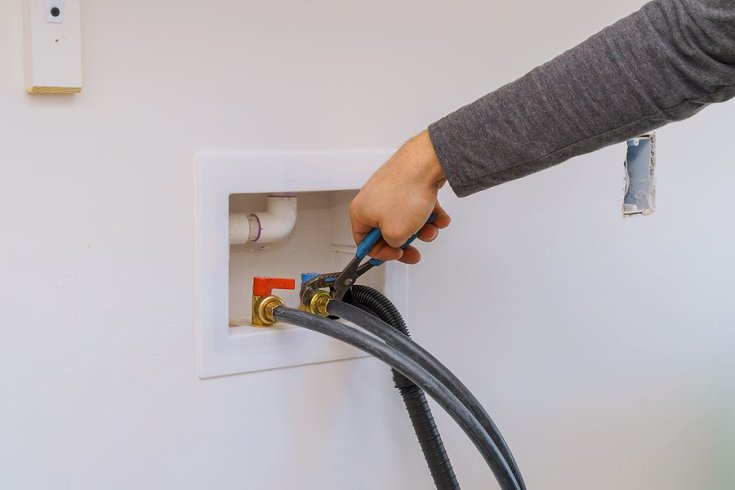
New appliances may be bigger or have different shapes from the previous ones. This can cause issues when trying to hook them up to existing plumbing systems. Sometimes, it may lead to incompatible connections that may lead to leakage or even damage your new appliance, which is a big no when upgrading your appliance.
Low-Flow Fixtures
Many new appliances are being manufactured with special water-saving features, such as low-flow fixtures. This is great for the environment, but it can make issues with low water pressure or clogged pipes even worse in pre-existing plumbing systems. The water may not have adequate flow for the removal of debris; hence, there is a high likelihood of blockages and overflows.
The Impact of Old Plumbing Systems on New Appliances
It is not one-way traffic; the condition of your plumbing system can also influence the working of your new appliances. Here’s how:
Water Quality and Pipe Condition
The older the pipe, the more likely it is to have deposits, debris, and even rust on its walls. When these impurities get into your new appliances, they can greatly damage them and decrease their useful lives. For example, a washing machine with its filters full of sediments will not work at its optimum capacity and may need frequent repair and maintenance.
Water Pressure Problems
Many current appliances require high water pressure to work effectively. If the pressure from your plumbing system is inadequate, you might also experience problems with your appliance. This is especially true for dishwashers and washing machines, which require a constant flow of water to clean and rinse properly.
Venting and Safety Concerns
Some appliances, such as gas water heaters, require proper ventilation to operate safely. Many older homes do not have the necessary venting system, which can be a big problem. For instance, there is the risk of carbon monoxide, which is a danger to your household.
Check with a Professional Plumber
It is highly recommended to seek the services of a professional plumber before installing new appliances to determine the state of your plumbing system. They can also point out possible issues and recommend changes that may be needed for the proper functioning of the given system. At Rooter Man Plumbing, our plumbers are experienced and reliable, and they can assist in these checks and connections, as well as the new appliances so that they do not affect the rest of the plumbing system.
For Emergency Plumbing Repair, Call Rooter Man Plumbing
Do you have issues with the water supply or drainage, or do you need assistance installing a new device? Make sure you call Rooter Man Plumbing today! We have qualified and experienced plumbers on standby to assist you with any plumbing needs you may have, including repair services and maintenance services. We’re here to ensure that your home plumbing system is as good as new so that you can focus on enjoying your new appliances.
by Rooterman Sacramento | Sep 27, 2024 | Uncategorized
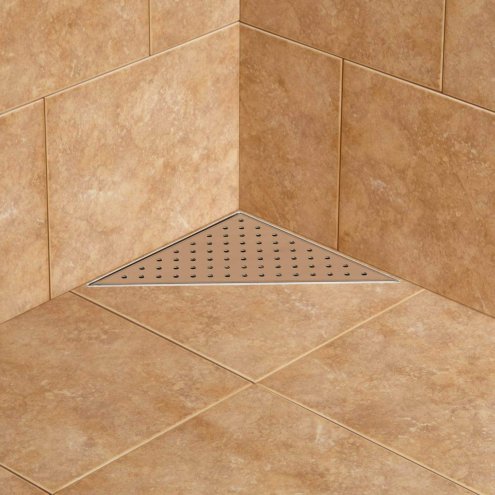
A clogged shower drain is one of the most frequent problems homeowners encounter. It’s not only annoying, but it can also be unhealthy and cause more complicated plumbing issues. If water accumulates at the bottom of your feet when you are taking a shower, then it means that there is an obstruction in the drain. When ignored, a clogged drain will damage the plumbing system, requiring costly repairs.
In this piece written by Rooter Man Plumbing, we will take you through seven simple steps to unclog your shower drain. We’ll also give some tips on how to avoid clogs in the future, so keep reading! So, you are in Fair Oaks, and you need a professional plumber? Contact Rooter Man Plumbing right away for help or book an appointment with the company.
7 Simple Ways of How to Unblock a Shower Drain
Here is the process for getting started. Follow this to have your shower drain free-flowing again.
Step 1: Get Ready
There are several things that you need to do before you begin the process, and these include: It is recommended to use gloves, a drain snake, a straightened wire hanger, a plunger, and a bucket for the debris collection. It will also be easier and faster if you have the following items around you.
Step 2: Remove the Drain Cover
First of all, take out the drain cover or strainer. This cover is known to collect hair, soap scum, and other material that cause blockage. It can be easily removed with a screwdriver or directly by hand. Take care so as not to harm the cover or the drain; otherwise, it will end up being damaged.
Step 3: Remove Top Debris
Once the cover has been removed, one should clean any debris visible on the drain’s surface. It is also advisable to use your fingers or a gloved hand to remove hair or other debris. Make sure to put this debris in a bucket that should be placed nearby.
Step 4: Plunge the Drain
If the clog is further down, the best thing to use is a plunger. Ensure the plunger is placed over the drain fully. To make it seal, add a little water and then rub the sanitizer back and forth with a lot of force. This should hopefully break the blockage.
Step 5: Use a Drain Snake
If the plunging does not work, try using a drain snake or a wire hanger that has been bent into a straight shape. Place it into the drain and then twist and turn it to help snare or dislodge the blockage. Gradually remove it and empty the debris trapped on the snake.
Step 6: Baking Soda and Vinegar
If you have organic clogs, such as hair and soap, a homemade remedy is the way to go. To unclog a drain, first pour 1/3 of a cup of baking soda into the drain, then pour in 1/3 of a cup of vinegar. Allow the mixture to stand for about 10 minutes, and then rinse it with hot water. This should clear the blockage.
Step 7: Replace the Drain Cover
Once you have finally unclogged the drain, remember to put the drain cover back on. This will prevent more debris from clogging the drain in the future.
How to Avoid the Showers from Getting Clogged in the First Place
Shower drain clogs are not something people look forward to having to unclog. Here are some tips to keep your shower drain clear and avoid future issues:
Install a Drain Screen:
A mere drain screen can help trap hair and ensure that it does not get into the drain.
Clean Regularly:
It is recommended that you clean the drain cover and screen often.
Use Shower Hair Traps:
These are rather cheap and are designed to capture hair that otherwise might block your drain.
Limit Bar Soap Use:
Bar soap tends to create residue, which in turn leads to clogging. It might be time to consider using liquid soap.
Flush with Hot Water:
You can try to clear your drain by pouring hot water down it to help dissolve soap scum and other build-up.
Be Mindful of What Goes Down:
Do not let hair, soap shavings, or any other material get into the drain.
Following these steps and tips, you can maintain a clear shower drain and not worry about clogged drains.
You Should Hire a Reliable Plumber Today for Your Plumbing Needs
If you have tried all of the above and your drain is still clogged, you might need to bring in a professional. The plumbers at Rooter Man Plumbing are fully prepared to address all of your plumbing needs regardless of size. Don’t wait to contact us to talk with a representative and have your plumbing system fixed.
by Rooterman Sacramento | Sep 27, 2024 | Uncategorized
Rental property ownership has many responsibilities, and plumbing is one of its most important aspects. Plumbing issues are a nuisance to tenants and can be expensive for property owners if not fixed as soon as possible. In this article, the four most frequent plumbing problems that rental property owners encounter will be highlighted, along with advice on how to fix and avoid them.
- Faucets and Plumbing Accessories That Leak
Dripping faucets are among the most typical plumbing issues in rental houses. Although they are not a significant problem, they can cause more problems in the future. A constant drip, on the other hand, can cause wastewater and also lead to increased water charges. Furthermore, it can lead to the deterioration of the fixings and promote the growth of mold, which will definitely reduce the quality of the property.
How to Address and Prevent Leaky Faucets
Regular Inspections:
Ensure that all the faucets and fixtures in your home are checked frequently to see if they are leaking.
Tighten Loose Fittings:
In case of any loose fittings, ensure that you fix them to avoid any dripages.
Replace Worn-Out Parts:
Defective washers and seals are among the most probable reasons for leakage. Sometimes, replacing the two can work the issue.
Upgrade Fixtures:
If a faucet or fixture is in need of replacement, it is recommended that the owner replace it with a water-efficient one to save on water as well as money on the bills.
- Clogged Drains
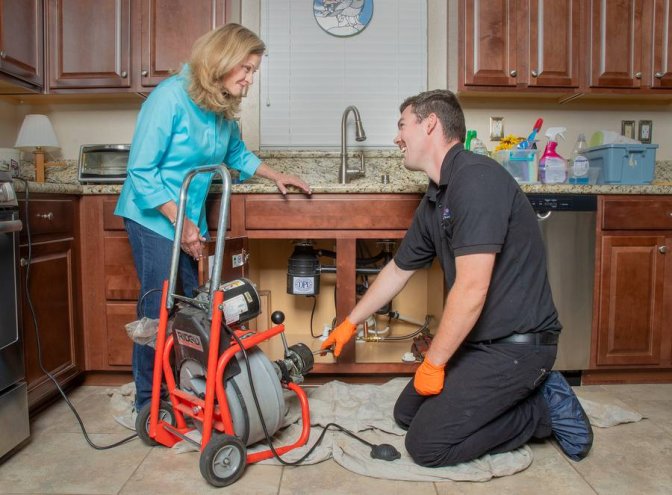
Another common problem in rental homes is clogged-up drains. Tenants may not know how to dispose of products appropriately; hence, blockage in the sink, toilet, and showers may be experienced. Clogs develop when hair, soap scum, particles of food, and other materials that are not easily decomposed clog the pipes.
How to Address and Prevent Clogged Drains
Use Drain Screens
Advise tenants to avoid the use of hair and debris in the sinks and showers by installing drain screens.
Educate tenants
Give directions on what should and should not be flushed, such as fats and oils, pieces of food in the kitchen sink, and anything non-degradable in the toilet.
Regular Drain Cleaning
It is advisable to hire a professional drain cleaner to clean the drainage system at least once a year to prevent blockages.
Prompt Action
If a clog occurs, it is advisable to fix it to avoid further harm to the plumbing system.
- Running Toilets
A running toilet is not only irritating but also costs you extra money on your water bill. This problem tends to stem from a flapper or fill valve that is located in the back of the toilet tank. Fortunately, it is quite simple to repair with simple hand tools and replacement parts.
How to Address and Prevent Running Toilets
Identify the Problem:
It may also show signs such as the sound of running water or the water level in the tank being too high.
Replace Faulty Parts:
If the flapper or fill valve is weak, it should be replaced to prevent running water.
Adjust the Float:
At other times, simple things like adjusting the float in the toilet tank can help to solve the problem.
Regular Checks:
This means that one should always check the different parts of the toilets to ensure that they are functional.
- Water Heater Problems
Water heaters are used to supply hot water to tenants and are an important part of any rental home. Some of the common problems that people experience with their water heaters are leakage, inadequate heating, or an erratic supply of hot water. Such problems can be a great source of discomfort to the tenants and may call for expensive maintenance services.
How to Address and Prevent Water Heater Problems
Annual Maintenance:
The water heater tank should be flushed at least once a year to remove sediments that impair its efficiency.
Check for Leaks:
One should always check the water heater to see if it is leaking or if it has formed rust-like patches.
Monitor Performance:
Tenants are recommended to report any problems they might have with the hot water supply to enable early solutions.
Replace When Necessary:
If your water heater is old or tends to develop problems, it may be advisable to replace it just in case it fails you at some point.
Through these actions, the following benefits will be realized: your rental property will be in good shape, tenant satisfaction will be achieved, and minimum repair costs will be minimized. At Rooter Man Plumbing, you can get the most efficient plumbing services for your home or business.