by Rooterman Sacramento | Sep 28, 2024 | Uncategorized
There are no simple alternatives, as water heaters are necessary for daily bathing, cooking, and cleaning. Yet, they don’t last forever. Knowledge of their lifespan helps you prepare for maintenance and replacement. Rooter Man Plumbing ensures our customers have water heating systems that are efficient and durable. No matter if you have installed a new tankless unit or are using an older model tank, timely inspections can help extend the system’s life. These are the main factors that determine the life of a water heater, giving you the knowledge to make wise decisions.
Type of Water Heater
The lifespan of your water heater depends heavily on the choice you make. Traditional tank water heaters usually maintain their usefulness for between 8 and 12 years. In contrast, tankless water heaters can lead to a lifespan of 15 to 20 years. Tankless heaters don’t keep water, which reduces the threats of corrosion and accumulation of minerals. Although tank models are more common, tankless options provide a more enduring alternative with a reduced requirement for maintenance.
Material Quality Used for Manufacturing
The type of materials used in the manufacture of a water heater are very important determinants of its life span. Products assembled with quality and standardized parts and built to maintain acceptable standards last longer than cheaper ones. One way to minimize cases of repairs or replacement of water heaters is through purchasing quality products from reliable companies that design durable products. It is a more economical option since you do not have to spend a lot of money to fix the plumbing problems that this mistake can cause in the future.
Maintenance and Care
This is crucial when it comes to getting more years out of your water heating unit. Sediments left at the bottom cause damage to the tank, which requires regular flushing to help minimize. Sacrificial anode rod replacement will eliminate the corrosion inside the tank, while a leak test and thermostat adjustment will avoid early failure. Hiring a professional to maintain your water heater will make it work efficiently, thereby reducing on-and-off cases.
Water Quality
Water quality is another issue that can affect the lifespan of your water heater. Calcium and magnesium, which are present in hard water, increase the rate of corrosion, and the scales formed may accumulate internally in the tank.
This affects the operation of the heater and may lead to its premature failure. Using a water softener or descaling a water heater periodically can help to ease these effects. If you have hard water in your area, a professional plumber will gladly assist you in maintaining the water heater at its best performance.
Usage Patterns
Even how you use your water heater will also determine its durability. A household that uses a lot of hot water will exert pressure on the unit, hence leading to quick degradation. Other things like frequent changes of set temperature or quick changes of water temperature also reduce the durability of heating elements and other parts.
One safe usage of this water heater includes ensuring that various usages are closely monitored and changed in a way that could ensure that the water heater’s life span is extended.
Conclusion
The lifespan of a water heater is influenced by the type of unit, quality of materials used, maintenance, quality of water in the unit, and usage. A water heater, if properly maintained, has an expected life span of 8–20 years. For quality water heater services such as installation and repair, feel free to call Rooter Man Plumbing. We offer awesome services at cheap prices so your water heater operates optimally all the time.
by Rooterman Sacramento | Sep 28, 2024 | Uncategorized
A water heater is one of the most essential household appliances. It supplies hot water for use in the house for activities such as washing, cleaning, and cooking. Water heaters are not completely quiet, as they do produce noise when in use; however, they should not produce loud or unusual noises that may require the attention of a water heater repairman.
Knowing what causes these noises will, therefore, go a long way in helping you act on them before the situation gets out of hand. In this article, we will look at some of the most probable causes of unusual sounds coming from your water heater and how best to handle the problem.
Sediment Buildup
The most common cause of strange sounds in a water heater is sedimentation. With time, particles of minerals and debris in the water accumulate at the base of the tank. This sediment layer may result in the heater producing popping, cracking, and rumbling sounds when in use. When the water is heated, the air bubbles trapped in the sediment come out and make these sounds.
If sediments are not removed, they will accumulate and hinder the water heater’s proper functioning, which may damage it. To solve this problem, it was recommended that the tank be flushed more often. It will also help to have a professional plumber come and perform this maintenance to rid the unit of sediment and reduce the noise.
Thermal Expansion
Thermal expansion is one of the most common causes of noise production in water heaters. Heating water increases the volume of water and, hence, the pressure inside the tank and the attached pipes. This can lead to pipes and other structural elements creaking, groaning, or even banging as they accommodate the increase in flow rates.
Such sounds are normally not dangerous but can be rather irritating. In order to avoid the problem, an expansion tank can be provided. An expansion tank holds excess pressure, which greatly reduces the amount of noise that results from pressure differences between thermal expansion and the water heater.
Mineral Deposits on Heating Elements
Mineral buildup may also occur on the heating elements of electric water heaters. These deposits lead to cracking, sizzling, hissing, or popping noises when the heaters are switched on. Minerals that accumulate on the heating elements can act as an insulator, decreasing their efficiency and, at times, leading to overheating or failure.
This problem can be avoided through routine machine servicing, such as checking and cleaning the heating elements. If the deposits are too great, the heating elements may have to be replaced to bring the unit back to normal and silence the noise.
Loose or Faulty Components
Rust or other worn-out parts of the water heater may also produce strange sounds. For instance, a loose heating element, loose fittings, or a faulty thermostat will produce a rattle, hum, or buzz sound. If the heating element is faulty, it can sometimes make a shrill, loud squealing or whistling sound.
It is advisable to have a professional plumber come and check the water heater with a view to fixing any loose or faulty components. Problems that result in such complications can be identified early through regular checkups to avoid complications.
Water Hammer
A water hammer is a condition characterized by a rapid flow of water within the plumbing system and then a sudden stoppage or change in direction. This change in direction can lead to hammering or knocking noise in the pipe system. A water hammer occurs when a faucet or a valve is closed suddenly, leading to pressure buildup that moves through the pipes.
Fitting water hammer arresters or pressure-reducing valves can minimize the water hammer. These devices act as shock absorbers and mute the noise, which helps maintain the water heater and plumbing system.
If your water heater is making unusual noises, it may indicate several problems that require professional attention. Failing to attend to these sounds may result in worsening conditions, low performance, and expensive maintenance or overhaul.
A professional plumber can solve these problems through regular checkups and maintenance to avoid worsening them. If you are hearing strange noises coming from your water heater, call Rooter Man Plumbing for help and recommendations to ensure that it is working correctly and without making noise.
by Rooterman Sacramento | Sep 28, 2024 | Uncategorized
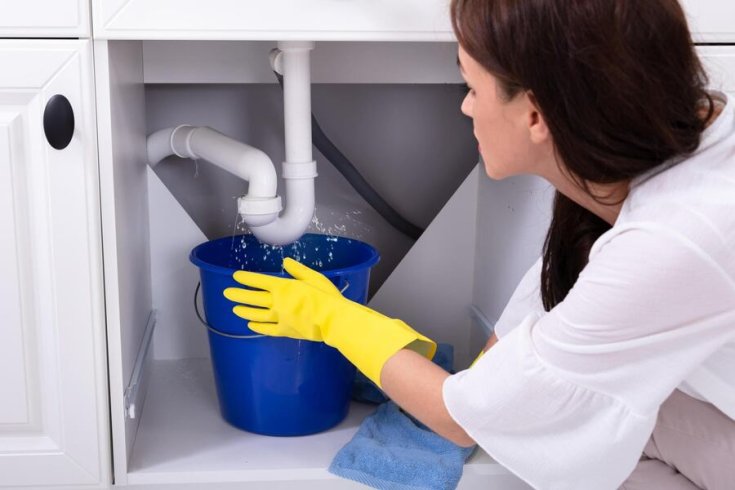
Leaking pipes are one of the most annoying and long-lasting issues that every homeowner may face. What may start as a minor leak is likely to lead to a lot of damage and high water bills and may even pose health risks. While some are one-off occurrences, others may appear once and then return even after the leak has been fixed several times.
At Rooter Man Plumbing, we do not simply fix the problem; we find where it starts, and this is usually the root cause of the leaks. In this article, the causes of recurrent pipe leakages and the measures that can be taken to avoid such incidents shall be discussed.
Corrosion and Degradation
The most common cause of continuous pipe leaks is the gradual wearing away of the pipe material. This problem is especially common in metal pipes, including copper and galvanized steel. Some of these materials are notorious for rusting and corroding easily, especially in areas where the water supply is acidic or hard.
When pipes are made of metal, they gradually rust and create little holes in the pipe wall. Although these leaks can be temporarily repaired, the corrosion progresses and causes the same problem again and again. When the corrosion is severe, the only solution may be repiping to avoid future leaks and ensure the future reliability of the plumbing system.
High Water Pressure
High water pressure is another frequent reason for frequent leakage. High water pressure in your home can be a huge problem because it weakens the pipes, causing them to break or develop a leak. Leakages that occur consistently at the joints, fittings, and valves are mostly a result of high pressure.
It can be caused by a failed pressure regulator, water hammers, or variations in the municipal water pressure. To this end, a professional plumber should be called in to fit a pressure reducer, which will ensure that the pressure is within safe limits to avoid further damage to the pipe systems.
Poor Installation or Workmanship
Defects that cause leakage can also be attributed to improper installation and/or low-quality workmanship. Sometimes, pipes may not have been well installed when the building was being constructed, or they may have developed some problems and were not fixed well.
This implies that doing the repairs by yourself or hiring unlicensed contractors will result in quick fixes to the problem. When you hire professional plumbers to install pipes or fix leaks, the work is done right, decreasing the chances of future pipe leakage and the need for costly pipe replacement.
Tree Root Intrusion
They are perhaps one of the leading causes of continued leaks in outdoor plumbing systems. With time, roots may expand and search for water and nutrients through any small opening available, including joints and cracks of underground pipes. Inside the structure, they can congest and worsen the already existing damages, which results in more frequent leakage.
People should look for indications of root invasion, such as slow-draining systems, bad smells, or damp areas on the lawn. This kind of problem is best detected and solved through regular leak detection and maintenance to avoid further damage.
Temperature Fluctuations
Fluctuations in temperature can cause pipes to expand and contract, leading to fractures or joint failure. The most difficult situation is when it is cold because the water within the pipes may freeze, expanding and leading to cracking or bursting.
If you live in a region that experiences frost, it is vital to prepare for it. Covering the exposed pipes, sealing gaps, and emptying the outdoor faucets can make the plumbing system safer in the winter season.
It is important to know why pipe leaks are likely to occur again to be able to avoid them. Whatever the problem may be – corrosion, high pressure, a wrong installation, a tree, or climate changes, each case is unique. If you want to avoid the cycle of multiple leaks that can be both annoying and expensive, here are some ways to prevent the problems: We provide professional leak detection and repair services that can be done by calling Rooter Man Plumbing today.
by Rooterman Sacramento | Sep 28, 2024 | Uncategorized
Bathroom plumbing is an important system required in any home, whether commercial or residential. It fulfills the essential functions of supplying water and carrying away waste and sewage. However, most people fail to appreciate the need for routine plumbing maintenance, which may result in serious damage.
We at Rooter Man Plumbing provide a comprehensive package of services to maintain your plumbing system, including inspections, repairs, and replacements. Read on to discover why it is crucial to schedule bathroom plumbing maintenance.
Prevent Costly Repairs
It is also important to note that one of the most important aspects of conducting regular bathroom plumbing maintenance is to prevent costly repairs. Small problems such as a tap that leaks or a pipe that is clogged or rusting will not be major problems on their own, but if they are not corrected, they can become so.
These problems can lead to the destruction of pipes, fixtures, and even the surrounding structures of your bathroom. These problems can be identified early and corrected before they become severe and costly if you arrange for regular check-ups with a plumber. This means you are likely to spend a lot of money in the long run if you do not change your mindset.
Preserve Water Efficiency
Some of the most regularly reported problems include dripping faucets, running toilets, and inefficient plumbing fixtures. Some of these problems may appear trivial, but if they are not well addressed, one is likely to receive a huge water bill in the future.
This is because such issues can be detected and corrected during regular maintenance of the bathroom to make it water-efficient. Some of the services include fixing damaged pipes, replacing the old washers, and installing water-efficient devices. This not only assists you in reducing the amount of money you spend on your bills but also consumes less water, which is a valuable commodity.
Ensure Proper Drainage
Bathroom drains tend to become blocked with dirt, soap scum, hair, and other particles that may be washed down the drain. The basic preventive measures include using drain strainers or employing the use of vinegar and baking soda to clean the drain. Still, for frequent blockage, the service of a professional is required.
A plumber can then determine the extent of the clog and advise how best to solve the problem without causing harm to your pipes, perhaps through the use of hydro-jetting. Proper drainage means that the wastewater flows out without any difficulty, thus preventing water damage or a foul smell in the bathroom.
Extend Fixture Lifespan
We often use bathroom fixtures such as sinks, toilets, and showers, and this can cause them to break down over time. If such fixtures are properly maintained, then they can be made to last longer than expected. Small but effective measures include cleaning faucets and showerheads and not using aggressive chemicals.
It also helps to replace seals and gaskets when they have become too old and are no longer serving their purpose. By following these simple steps, you will ensure that your bathroom fixtures are kept in good condition and will not need to be replaced as often, thus saving you money in the long run.
Maintain Indoor Air Quality
Water dripping from the faucet or around the sink can cause mold and mildew to form, which in turn will affect the quality of air inside the house. Mold and mildew not only give off bad smells but are also hazardous to our health.
Problems such as leaks, bad smells, and mold can be avoided through regular maintenance of the plumbing system, which includes repairs, proper ventilation, and cleaning of places prone to mold. It is very effective in maintaining good health standards in your bathroom environment and, hence, your home environment as a whole.
Enhance Property Value
Regular checks on the bathroom plumbing systems can enhance the worth of your house. The new bathroom and the proper plumbing system will appeal to potential buyers. If you are planning to sell your home in the future, ensuring that you maintain your home and fix any plumbing problems will improve its market value. It’s a small investment that can bring in a lot of money when the house is up for sale.
To get the best services from your property, you should regularly maintain the bathroom plumbing systems. In this way, you will not have to spend a great deal of money on fixing; you will use less water and live in a healthier home. Therefore, if you are looking for plumbing services, Rooter Man Plumbing is the best company to contact. We offer all kinds of plumbing services to make sure that your system is not only without hazards but also working efficiently.
by Rooterman Sacramento | Sep 28, 2024 | Uncategorized
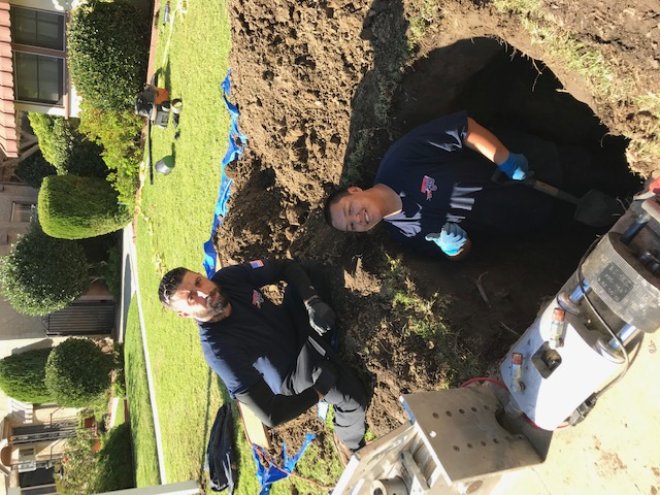
It must be thrilling to carry out a DIY sewer repair to cut the costs that they will incur when hiring a professional to do the work. Sewer line problems are not simple and require professionals, skills, equipment, and knowledge to repair. At Rooter Man Plumbing, we always advise our clients to call in a professional for any work concerning the sewer. Below are the main reasons why DIY sewer line repair is unwise.
Insufficient Knowledge and Skills
Sewer repair is a complicated process that requires professional tools and knowledge. Sewer systems are not simple, and with the lack of information, one cannot tell what is wrong. Often, people trying to fix things themselves end up misdiagnosing the issue, leading to ineffective repairs or even bigger problems.
Plumbers are trained to know what to look for and how to solve problems appropriately and effectively. They can help you avoid making expensive mistakes and can guarantee that the repair is done correctly the first time.
Risk of Further Damage
When you try to fix your sewer line on your own, it ends up causing additional harm to the pipe. Without proper training and equipment, it is very easy to make some mistakes that can actually make the situation even worse.
For instance, you may end up making wrong connections or using the wrong tools or chemicals, which may, in the process, damage your pipes or other utilities. If the root cause of the problem is not fixed, you may continue to experience the problem and may need to have the whole sewer line replaced. Finally, a little oversight can result in a much bigger and much more costly blunder.
Safety Concerns
Sewer line repair can be quite risky. Sewer repair work is a very dangerous process that involves coming into contact with sewage, gases, and bacteria that are hazardous to your health. These risks are best handled by professionals who are knowledgeable in the use of safety measures and tools in the course of their work.
They know how to prevent themselves and others from coming into contact with dangerous substances. It can be dangerous to attempt this work without proper protection and understanding, so it is best to be safe rather than sorry. It is best to let the professionals do the hazardous jobs now and then.
Main Features of the Building Codes
Sewer line repairs are a part of construction and, as such, have to be done in accordance with local codes and regulations. The following are the guidelines that have been put in place to help in keeping the plumbing system safe and reliable.
Such repairs done on your own do not meet these standards and may result in you being fined or facing other legal consequences. A professional plumber knows the codes, and this is something that will be done professionally. This not only shields you from legal implications but also guarantees that the repairs are done safely and in the right manner.
Guarantees and Insurance
When you hire a professional plumber, you are likely to enjoy things like warranties and insurance. Accidents happen, and if something goes wrong after the repair, the warranty will come in handy to repair it. In DIY repairs, you don’t have this security. All inaccuracies or additional costs are on your side. This is quite expensive in the long run compared to hiring a professional to do it initially.
Long-Term Cost Considerations
It might seem that doing it yourself is a cheaper solution to the problem, but in fact, it turns it into a more expensive one. Malfunctions, further harm, and the cost of calling a specialist cost money. Using professional services from the onset means that the work will be done right. Thus, you will not have to face any further complications or additional costs.
To sum up, DIY sewer repairs are not only dangerous but also problematic and are generally not recommended despite the possible financial benefits. If you need help with your sewer line problems, make sure to call Rooter Man Plumbing so that your problem will be fixed correctly and with safety in mind. We will ensure that your repair works meet all standards and keep your home in the right condition.
by Rooterman Sacramento | Sep 28, 2024 | Uncategorized
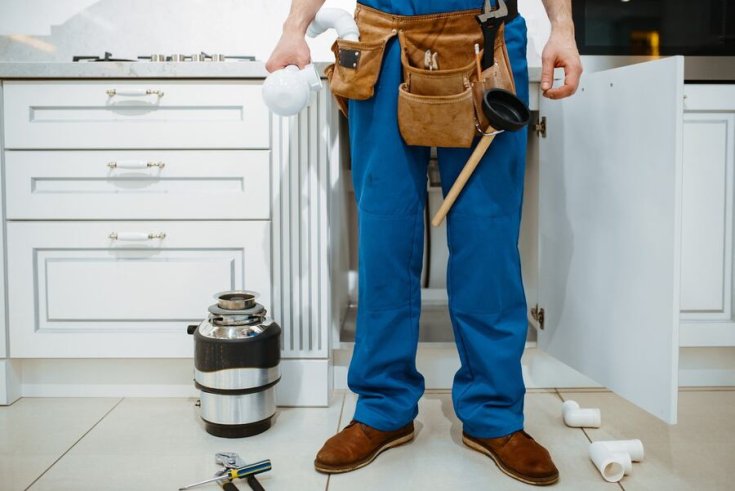
It is important to have garbage disposal in the kitchen because it helps to dispose of food waste in the best way possible. They assist in ensuring that the cooking environment is clean in both the homes and business places. But every appliance has a life expectancy, and garbage disposal is not an exception. Several factors influence the life span of these devices and will be discussed below to assist the reader in knowing when it is time to replace an appliance.
Quality of Construction
The life span of a garbage disposal is usually a reflection of the quality of the device used to manufacture it. Most of the units are made from durable materials such as stainless steel or heavy-duty plastic.
It is for this reason that these materials will last longer than those that are relatively cheap. It’s always advisable to invest in a model that is durable because, more often than not, you will not have to keep on replacing broken parts or look for emergency alternatives from other brands.
Usage Patterns
The usage rate also greatly affects the lifespan of your garbage disposal; the more frequently and heavily you utilize your unit, the shorter its life will be. For instance, a disposal that is used in a family home or a restaurant kitchen is likely to deteriorate faster than one used in a small home. Also, the types of foods that you grind will determine the grinder’s lifespan.
It can be seen that, for example, bones or fibrous materials like corn husks can put a lot of stress on the system and, therefore, wear out the system very fast. Some of these materials are very difficult for your unit, and avoiding them can help to increase its life span.
Maintenance Practices
Garbage disposal maintenance is very important in order to ensure that the garbage disposal lasts for a long time. This entails simple procedures such as cleaning of the unit and blade sharpening from time to time. If a person fails to consider these basic care requirements, problems such as clogging, unpleasant smell, and low efficiency may occur. It is also recommended that one follow the manufacturer’s maintenance guidelines.
This could mean that one has to use specific detergents or ensure that there is frequent monitoring by a professional plumber. This is because small problems that are fixed instantly will not escalate into big problems that will require a lot of money to be repaired.
Water Quality
To ensure that your garbage disposal has a longer life span, you should be very keen on the quality of water that you use. These include the presence of hard water minerals such as calcium and magnesium, which lead to the buildup of limescale.
This buildup can harm the parts of the disposal, which results in rusting and corrosion of the unit in the long run. Some of these effects can be prevented by installing a water softener; hence, your disposal will run efficiently for a long duration.
Environmental Factors
Environmental conditions also affect the lifespan of your garbage disposal. It may not be as durable as it can be affected by things such as temperature, humidity, and exposure to chemicals. For instance, low temperatures may cause cracking and other damage to the disposal’s components.
If the unit is properly installed and protected from extreme conditions, then it will last longer. It is very important to conduct periodic checks to determine whether there are possible environmental concerns that may lead to immense damage.
When Do You Need to Replace Your Garbage Disposal?
Garbage disposal has a life expectancy of between 8 to 15 years. It also depends on how often it is used, what material is used in making the two products, and how often they are maintained. If you are using an old disposal or experiencing problems like clogging or strange noise, then you have to change it.
This means that inspection and maintenance should be done from time to time to ensure it is working effectively.
If you have any problems with your garbage disposal, you should not hesitate to call a professional plumber to fix it. We are based in Sacramento and offer garbage disposal repair and replacement services. To achieve the desired results, we use the following practices in managing your kitchen: Do not wait until your system is completely broken—call to schedule a visit and have your garbage disposal fixed.