by Rooterman Sacramento | Sep 29, 2024 | Uncategorized
For homeowners, a sewer line replacement is one of the costliest projects. Even if it looks uncomplicated many factors lead to the substantial cost. Recognizing these aspects is crucial for Rooter Man Plumbing before starting such a job. We will analyze the causes of the high expenses associated with sewer line replacement.
Complexity of the Job
Replacing a sewer line is a complex process. For this task to succeed, it must have thoughtful planning and skillful execution. In numerous situations, the current sewer line can be located beneath driveways or sidewalks. The section surrounding the sewer line must be dug out gently to avoid harming the environment. In the case of a sewer line being located under a house, this creates more challenges. Using a qualified plumber is needed in this situation. They understand how to manage these situations and finish the work quickly and safely.
Specialized Equipment
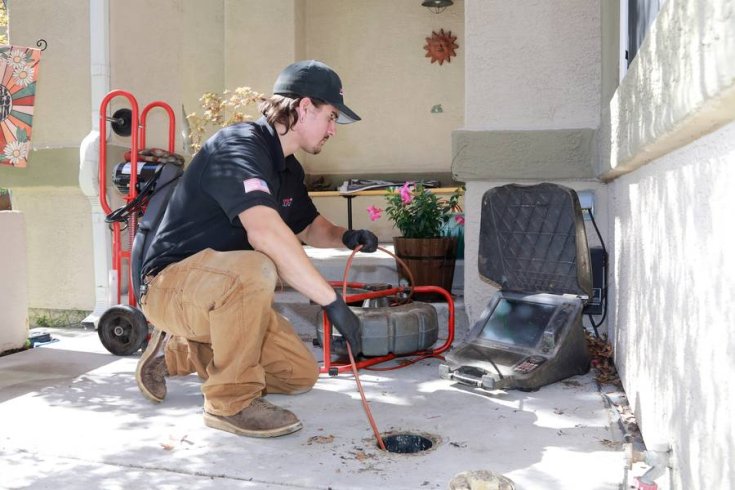
You cannot replace a sewer line with only basic tools like a shovel. Specialized equipment such as trenchers and excavators are needed to complete the work effectively. Buying and maintaining these machines is costly. By using this specialized equipment professional plumbers streamline and accelerate the work. In addition, advanced tech like sewer cameras is employed to check the sewer line before and after the replacement. The price of these tools is included in the project’s total cost.
Skilled Labor
Only a few people are capable of replacing a sewer line. You need skilled and seasoned plumbers for this task. Experts understand how to navigate complicated sewer systems and guarantee accurate completion of tasks. The high level of skill makes the labor expensive. It is important because an inadequate task can create larger problems ahead. Although it can seem expensive to hire knowledgeable professionals, the first attempt at the work is guaranteed.
Permits and Regulations
You cannot replace a sewer line without securing the necessary permits. For the work to align with building regulations and codes, you must obtain permits from local authorities. Such guidelines help safeguard community health and safety. Achieving these licenses can be lengthy and costly. Rooter Man Plumbing and other professional services ensure this task is completed for you. The cost rises due to this but secures the legality of the work.
Disposal of Old Materials
After removing the old sewer line, it needs to be dealt with safely. It may be especially expensive if the old piping has dangerous materials such as asbestos or lead. These materials need to be managed in adherence to rigorous environmental laws. Professional plumbers handle disposal safely and this forms a component of their expenses.
Emergency Situations
In some cases, the sewer line needs to be replaced immediately. In the event of total sewer line failure, it can generate considerable damage. When necessary, urgent repairs bring higher expenses owing to the pressing concern involved. Due to the urgency of the matter, permits and tools must be acquired swiftly. This need for speed raises the final bill.
Grasping these elements allows homeowners to plan better for the expenses associated with replacing sewer lines. For further information or to ask questions, please contact Rooter Man Plumbing. We offer assistance for every plumbing requirement you may have.
by Rooterman Sacramento | Sep 28, 2024 | Uncategorized
Being a property owner brings its rewards, but it also brings on certain responsibilities, including figuring out who holds accountability for the sewer lines. This is particularly frustrating, particularly when difficulties occur. If you think there may be a problem with your sewer system, Rooter Man Plumbing is prepared to conduct an inspection and tackle it before it escalates. Determining your liability for repairs is key, and here’s what you need to understand.
Identifying The Location of a Problem
Understanding your responsibility begins with identifying the location of the problem. Being a homeowner, you normally take responsibility for the length of the sewer line that extends from your property to the sewer line found under the street. The lateral line is what this part is called.
When the problem concerns the lateral line, it falls on you to resolve it. Engaging a professional plumber can help ensure that the work follows local rules. In contrast, the city or municipality bears responsibility for issues in the main sewer line, which generally exists beneath public roads.
Homeowner’s Responsibility
As a homeowner, you need to address the sewer lines that fall within your property lines. This includes working to fix bottlenecks, repairing leaks, or potentially changing the entire lateral line if that is necessary.
Routine maintenance and inspections can stop major problems and costly fixes from occurring. Regular checks by a plumber for your sewer lines are wise, allowing you to find and fix smaller issues before they escalate into large ones. This forward-thinking method will provide you with comfort and safeguard your sewer system.
City’s Responsibility
The city or municipality takes charge if the issue is within the main sewer line. Usually, the main pipeline is under public roads and manages sewerage from different houses. If there’s a blockage or harm to this line, you need to reach out to your local public works department. They will review the situation and make decisions about what steps to take. This may include performing little repairs or even a total renewal of the major line.
When To Contact A Plumbing Service
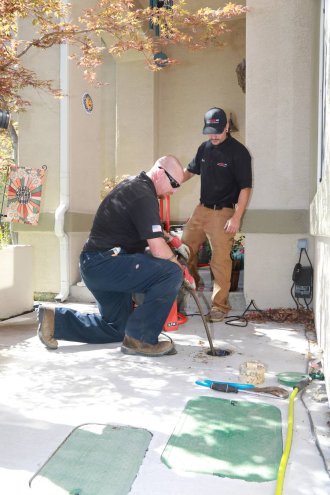
If you think your sewer line has issues and they may be on your property, it’s a good idea to reach out to a plumbing service. A professional can explore the lines and discover precisely where the problem exists. In case it’s your responsibility, they may fix it. Choosing a licensed and experienced plumber is essential for making certain the job is finished correctly. This can help you dodge larger issues and costlier repairs when the future arrives.
Preventative Measures
Preventing sewer line problems is better than fixing them. Several things exist to help you protect your sewer lines. Routine care, including cleaning the lines and not flushing unsuitable items, can help stop blockages.
Avoid planting trees close to your sewer lines because roots could grow into the pipes, resulting in damage. It’s a wise idea to have routine inspections handled by a plumbing professional. They can identify possible difficulties early on and facilitate an avoidance of high repair bills.
Understanding who is responsible for sewer line issues is important for every homeowner. Are you experiencing a problem on your property, we’re here to help you with Rooter Man Plumbing. Our service covers everything, from easy fixes to major sewer line replacements, thanks to the advanced tools and techniques. Contact us to arrange an inspection so your sewer system can keep functioning efficiently.
by Rooterman Sacramento | Sep 28, 2024 | Uncategorized
Regions experiencing heavy rainfall or raised water tables frequently face basement or crawl space flooding. Sump pumps play a key role in preventing water damage by adequately removing extra water from these locales. Rooter Man Plumbing offers expertise in understanding the functionality of sump pumps, their value during heavy rainfalls, and how to sufficiently maintain them to protect your home.
How Sump Pumps Work
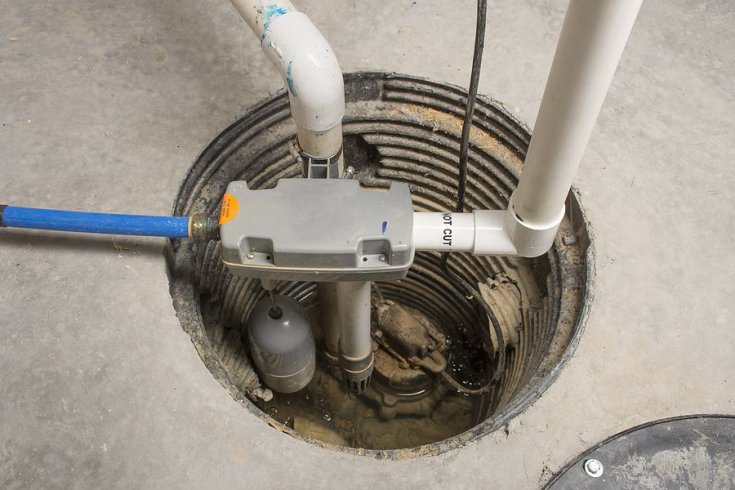
The location of sump pumps is typically in sump pits, which are installed to capture water at the most depressed section of your basement or crawl space. When it is raining, the water finds its way into the sump pit. At a certain height of the water level, the sump pump will turn on automatically.
Typically, it redirects the water away from your property, usually directing it to a storm drain, a dry well, or a designated drainage region. There are two main types of sump pumps: pedestal and submersible. If a sump pump is not functioning well, professionals might be necessary for repair or maintenance.
Importance of Sump Pumps During Heavy Rains
Sudden changes in groundwater levels due to heavy rain can lead to the possibility of basement flooding. A sump pump works by constantly clearing out water from your basement, so it does not remain stagnant or build up. If your sump pump isn’t working, it could cause water damage, mold growth, and structural complications in your home. Getting your sump pump checked regularly by a plumbing professional can guarantee its capability to manage intense rain and thus maintain a safe, dry environment in your home.
Maintenance Tips for Optimal Performance
Keeping your sump pump in working condition requires regular maintenance, particularly during intense rainstorms. A trusted plumber can examine all parts of the sump pump, including the power supply and internal parts, to ensure it is functioning properly. It is also vital to make sure your sump pump can work during outages, which typically happen during bad weather. Keeping up with maintenance can stop failures and confirm that your sump pump is equipped to work when you require it the most.
Signs Your Sump Pump Needs Replacement
It’s important to understand when to change your sump pump to stop unexpected breakdowns. Indications that you might need to change your sump pump include sounds that are out of the ordinary, heavy vibration, irregular cycling, visible rust, or damage. If you identify any of these signs, it’s in your best interest to call a plumbing professional to look at your sump pump. Replacing it at once before the arrival of heavy rains may help you avoid basement flooding and other kinds of water damage.
Benefits of Professional Installation
Even though a few homeowners might attempt self-installation of a sump pump, professional installation comes with a variety of benefits. A plumbing expert can appraise your residence’s peculiar requirements and provide advice about the most suitable kind and size of sump pump.
For proper operation and a more extended life, the right installation is required by professionals. They can also deliver advice on maintenance and improvements to your home’s drainage system, which can maintain your complete water management system.
Sump pumps help to defend your property from water damage, greatly during rainy seasons. Understanding their operations and maintaining them ideally can help you prevent expensive repair costs and possible health issues resulting from mold.
Reach out to Rooter Man Plumbing for both expert advice and service. We provide complete service for sump pump maintenance and installation at fair prices. Our team will help ensure your sump pump is working optimally, keeping your home secure and dry in those heaviest rainfalls.
by Rooterman Sacramento | Sep 28, 2024 | Uncategorized
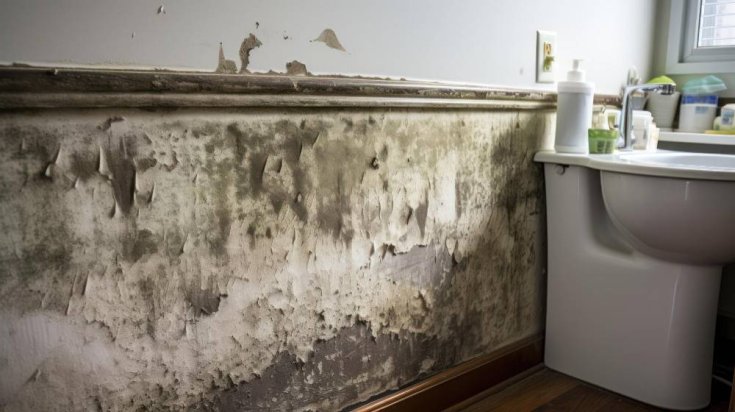
Bathrooms are an excellent breeding ground for mold and mildew because they are usually damp and humid. If left without control, these fungi might trigger health complications and negatively affect your house. Rooter Man Plumbing has a variety of tips to share that can help you maintain a mold-free bathroom.
Improve Ventilation
The optimal technique for preventing mold and mildew is to raise the ventilation in your bathroom. Damp, stagnant air is a favorite for mold. Run an exhaust fan to cut down on humidity following your showers. If there’s no exhaust fan in your bathroom, you might want to think about adding one. It will improve airflow to help accelerate the drying process. Keep windows and doors open whenever feasible to bring in fresh air that will lower moisture levels.
Regularly Cleaning and Maintenance
Regular cleaning of the bathroom is fundamental to preventing both mold and mildew. Should mold spores lay on surfaces, they may begin to grow without cleaning. Use mold-killing cleaning agents for your bathroom, paying special attention to corners, crevices, and areas that remain wet, including shower walls and the space behind the toilet. Don’t ignore the need to wash or replace shower curtains and bath mats often as they are prone to mold. Be wary of mold growth and intervene as quickly as you see it.
Control Moisture Levels
The prevention of mold growth hinges on moisture control. Sweep down damp areas after you’ve finished using them. This involves shower walls, as well as doors and sinks. Wipe away the excess water from tiles and glass doors using a sponge or a squeegee. Fully dry wet towels and bath mats by hanging them up. Address leaks right when you see them. A little drip can increase the risk of mold formation. If your bathroom doesn’t dry out, try a dehumidifier to keep the air moisture-free.
Use Mold-Resistant Products
Products that resist mold offer you an added layer of protection. Apply mold-resistant paint to the walls and ceilings of your bathroom. Make your selection from mold-resistant drywall alongside silicone caulks, which are unlikely to boost mold development. If you’re uncertain about the best products to buy, ask a plumber for their suggestions. These products will not prohibit mold entirely, but they can lower the probability of it growing in your bathroom.
Keep the Bathroom Dry
Having a dry bathroom is among the most effective methods for preventing mold and mildew. Upon finishing your shower or bath, ensure to leave the shower door or curtain open to allow moisture to go away. Choose a bathroom rug that dries effortlessly and allows regular washing. Ensure that your bathroom is well-lit since mold likes to grow in areas that are dark and damp. To help the bathroom dry quicker after usage, use a little fan.
Making preventing mold and mildew in your bathroom easier is not difficult. These straightforward suggestions will allow you to keep your bathroom both clean and free from mold. To get support, please reach out to Rooter Man Plumbing.
We can look into your bathroom, adjust any plumbing problems, and hand out additional tips for stopping mold and mildew. We are prepared to help you ensure that your bathroom looks fantastic and your family is healthy. Do not hold off until the mold issue escalates. Call us straight away to set up a consultation and relax in a clean, fresh bathroom.
by Rooterman Sacramento | Sep 28, 2024 | Uncategorized
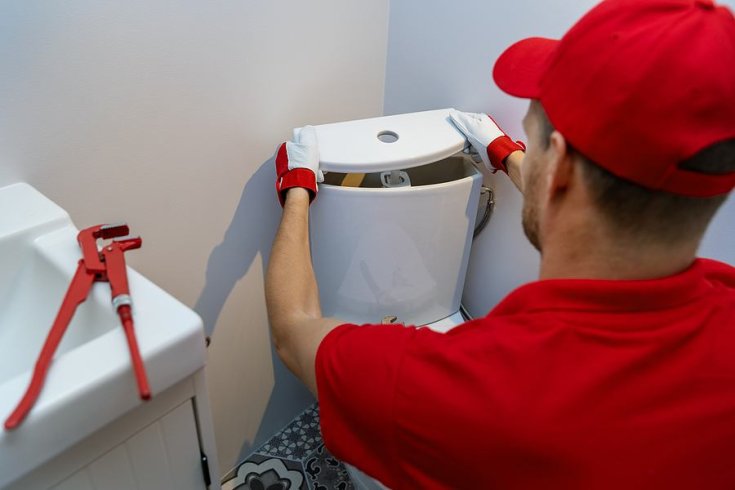
A lack of water in your toilet tank is both annoying and troublesome. If it occurs often, understanding the possible causes becomes important so you can quickly address the problem. Rooter Man Plumbing, a trusted plumbing service, can help with the inspection, diagnosis, and treatment of the problem so it doesn’t extend further. Here are a few frequent causes of a lack of water in your toilet tank, which may require professional maintenance.
Faulty Fill Valve
The fill valve is accountable for filling the toilet tank after each time it has been flushed. If there’s a problem with this valve or it breaks down, it will restrict water from flowing into the tank. This can be the result of wear and tear occurring over time or debris that has blocked the valve.
Hearing unusual noises while the toilet fills means you might have a problem with the fill valve. This problem is best checked by a plumber and they can also propose the most appropriate solution for you. Qualified toilet repair can restore the correct flow of water to your tank.
Blocked Water Supply Line
One more reason for the lack of water in the toilet tank might be a clogged water supply line. This line joins your toilet to the main water supply. Over the years, it can begin to fill with junk or mineral deposits, particularly if you live in a hard water zone. A supply line that is blocked will stop the water from filling the tank.
Turn off the water and unplug the line to check if there are any visible blockages. If you cannot fix it yourself, a professional plumber stands ready to flush the line or replace it if necessary.
Closed or Partially Shut-Off Valve
The shut-off valve directs the water supply to your toilet. If this valve is wholly closed or just partly open, it will stop the water flow. On occasion, the valve might accidentally be turned off when doing cleaning or maintenance work. Before you find out why there’s no water in the tank, ensure the shut-off valve is completely open. If the valve is unblocked but no water is coming through, it’s time to hire a plumbing expert to change it out.
Malfunctioning Float Mechanism
The float mechanism within the tank controls the fill valve according to the level of water. An incorrectly positioned or stuck float can prevent the fill valve from opening and permitting water into the tank. This might happen as a result of mineral accumulation or normal wear over time.
Low Water Pressure
Poor water pressure in the home can cause your toilet tank to fill erratically. This issue can influence more than just the toilet, so it’s important to bring in a professional before things worsen beyond repair. The cause of low water pressure may arise from problems with the municipal water supply, plumbing system leaks, or semi-closed main water valves.
Understanding why your toilet tank is empty can enable you to fix it. If you are experiencing issues from a faulty fill valve or low water pressure, Rooter Man Plumbing will accurately troubleshoot and fix the issue, freeing you from stress and time consumption. Schedule an appointment with us straight away to restore your toilet’s function and prevent potential water damage.
by Rooterman Sacramento | Sep 28, 2024 | Uncategorized
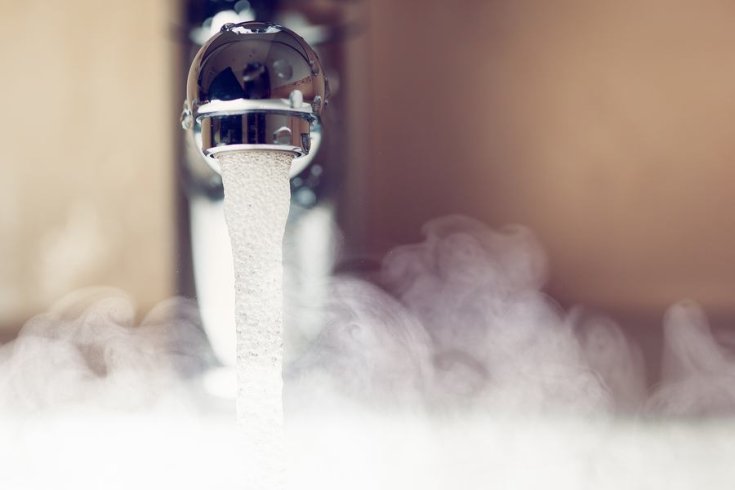
During Summer, we use more water for activities such as watering the garden, filling our pools, and adding extra showers to beat the heat. However, lower water pressure can make these tasks challenging to perform.
Here you will discover some effortless ways to boost water pressure at home this summer.
Check for Leaks
A leak in your plumbing system may reduce your water pressure. Look for signals including wet spots, water stains, or dripping faucets. Check all of the noticeable pipes.
Small leaks may still cause serious water pressure drops. You need to fix any leaks as soon as you notice them. Even if you don’t detect a leak, it’s smart to call a plumber if low pressure remains an issue. Resolving leaks will contribute to water conservation and the improvement of pressure.
Clean Faucets and Showerheads
Mineral accumulation in faucets and showerheads may be the cause of low water pressure. To clean that item, either take off the showerhead or faucet and soak it in vinegar for several hours. After that, use a toothbrush to remove any extra deposits. Rinse it and put it back. This straightforward cleaning can enhance water flow without the requirement to purchase anything exceptional.
Check the Main Shutoff Valve
The main shutoff valve controls water flow access to your home. The typical location of the valve is by the point where the main water line connects to your property. To ensure it is fully open, turn it counterclockwise. Turn it with care, because forcing it might lead to valve damage. Having a totally open valve will help maintain suitable water pressure.
Gauge the Water Pressure Regulator
Water pressure regulators found in homes control the water that flows into a home. If you set this device at a too-low level, you’ll also experience low water pressure. You can check it yourself. The regulator is generally found next to the main water line. Use a wrench to twist the screw on the regulator. If you’re doubtful about how to take this step or if improvement appears lacking, it’s best to contact a plumber.
Inspect for Clogged Pipes
Decaying pipes can become blocked by debris, rust, and mineral deposits. This can notably cut back water pressure. When you feel like your pipes could be clogged, having a professional do an inspection is the right move. Maintaining your system regularly may help stop serious clogs and keep your water pressure unchanged.
Set up a Water Pressure Booster
If none of these tips does the trick, think about putting in a water pressure booster. This device boosts water pressure within your whole house. It costs more, but it can be highly effective if you constantly deal with low water pressure. For this installation, a professional plumber is your option.
Check Outdoor Fixtures
Low outside water pressure will make it challenging to water plants or clean the car. Analyze the outside faucets as well as hoses for potential clogs or leaks. Replace or clean them as needed. This can enhance the water flow outside.
Conclusion
Low water pressure can make summer quite frustrating. Adhering to these basic methods lets you improve water pressure and have more fun in your summer events. Maintaining your plumbing system can help it stay in good shape by performing regular checks. If the tips provided don’t alleviate your low water pressure, feel free to call Rooter Man Plumbing for professional assistance. Have an encouraging summer with more powerful water pressure!